




Navigating Chrysler Dodge Jeep RAM Tire Selection in San Jose
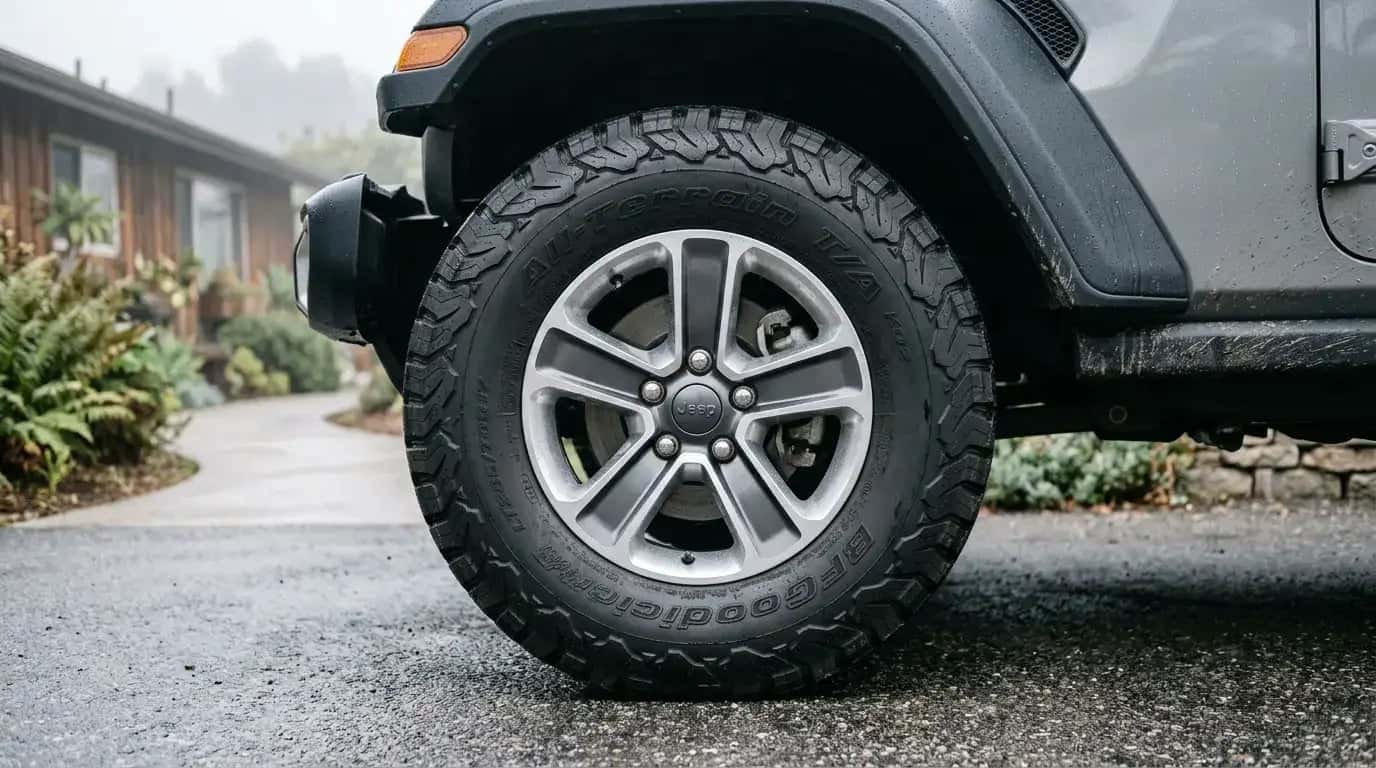
Driving a heavy vehicle from the flat valley floor of San Jose up into the steep, winding roads of the Santa Cruz Mountains puts unique lateral and vertical loads on your tread. Selecting the correct tires for your Chrysler, Dodge, Jeep, or RAM vehicle ensures safety, traction, and longevity. Different vehicle designs require specific tread compounds and carcass constructions to handle daily driving demands. Selecting the wrong tire can degrade your vehicle’s ride quality, increase cabin noise, and compromise emergency braking performance.
Matching your tire type to your primary driving environment is the first step in maintaining vehicle safety. Heavy-duty trucks require stiff sidewalls to manage payload weight, while family SUVs need tread patterns optimized for quiet highway driving and wet-weather grip during seasonal rainstorms. Choosing between all-season tires and all-terrain tires depends heavily on whether your vehicle remains on paved commuter lanes or ventures onto unpaved trails.
At Fremont Chrysler Dodge Jeep Ram, our factory-trained technicians help you identify the ideal tire specifications for your specific model. You can reach (510) 257-9176 to speak directly with our team about available tire brands, or use our online service scheduler to book an inspection. If you are ready to visit us for a maintenance check or installation, you can easily find our Newark service center located right off the highway.
Table of Contents
- How to Tell When Your Chrysler, Dodge, Jeep, or RAM Tires Need Replacement
- OEM Tire Specifications and Requirements for the Jeep Grand Cherokee
- Weighing the Trade-Offs Between OEM and Aftermarket Tires
- What Is Included in a Professional CDJR Tire Installation Package?
- Ordering Tires Online for Professional Dealership Installation
- Ongoing Tire Maintenance Protocols for Your CDJR Vehicle
- Coordinating Tire Availability and Service Appointments
- Common Questions About CDJR Tire Care
- Schedule Your Next Tire Service with Fremont Chrysler Dodge Jeep Ram
How to Tell When Your Chrysler, Dodge, Jeep, or RAM Tires Need Replacement
Tires degrade over time due to friction, heat, and road hazards, making regular inspections vital for vehicle safety. A primary indicator of tire wear is tread depth, which directly impacts stopping distance and wet-weather grip. New passenger car tires typically start with a tread depth of 9/32″ to 12/32″ of tread. When the tread wears down to 2/32″, the tires are legally worn out and must be replaced immediately to avoid safety hazards and potential legal violations.
Drivers can perform a simple check using a standard copper penny to monitor tread wear. Inserting the coin into the tread groove with the top of the head facing down allows you to estimate depth. If the entirety of the head remains visible, the tread is below 2/32″ and lacks the necessary depth to channel water safely. We recommend replacing tires before they reach this extreme limit, particularly if you frequently drive in wet conditions where at least 4/32″ of tread is advisable to prevent hydroplaning, or 5/32″ if you encounter winter mountain passes.
Beyond tread depth, physical damage and driving behavior signal a need for replacement. Look for sidewall bulges, deep cuts, or dry rot cracking along the tread blocks. If you experience persistent steering wheel vibration or cabin shaking, it may indicate internal tire damage or severe out-of-balance conditions. Our Mopar parts department stocks factory-approved replacements designed to restore your vehicle’s original ride quality and safety performance.
OEM Tire Specifications and Requirements for the Jeep Grand Cherokee
The 2026 Jeep Grand Cherokee relies on precise tire specifications to maintain its signature balance of off-road capability and highway comfort. Depending on the specific trim level and powertrain configuration, original equipment manufacturer (OEM) wheel diameters range from 18 inches to 21 inches. Standard factory tire sizes include 265/60R18 for entry-level trims, 265/50R20 for mid-tier configurations, and 275/45R21 for performance-oriented or premium models.
Matching the correct load index and speed rating is crucial for safety and handling. Jeep Grand Cherokee models typically require speed ratings of T (up to 118 mph), H (up to 130 mph), or V (up to 149 mph). The exact load capacity and inflation specifications are detailed on the Tire and Loading Information placard located on the driver-side door jamb.
Installing tires that do not meet these factory-specified ratings can compromise the vehicle’s electronic stability control, traction management, and overall braking efficiency. Our certified technicians use VIN-based decoders to verify the exact OEM specifications for your specific Grand Cherokee build, ensuring every replacement matches the structural and performance criteria established by factory engineers.
Weighing the Trade-Offs Between OEM and Aftermarket Tires
Choosing between OEM tires and aftermarket alternatives involves balancing ride quality, longevity, and specialized capability. OEM tires are co-developed by vehicle manufacturers and tire brands to optimize the specific handling, noise, vibration, and fuel efficiency targets of a stock vehicle. For instance, the factory tires on a 2026 RAM 1500 are selected to deliver a quiet highway ride while maintaining the truck’s rated payload and towing capacities.
Aftermarket tires, on the other hand, allow owners to prioritize specific performance characteristics. If you frequently take a 2026 Jeep Wrangler off-road, you might trade some highway fuel efficiency and quietness for aggressive mud-terrain or rugged all-terrain tread patterns. Heavy-duty truck owners might opt for aftermarket tires with a stiffer load range E construction to handle constant heavy hauling, even if it results in a firmer ride when empty.
The main trade-off of aftermarket tires is that they can alter the driving dynamics you are accustomed to. A tire optimized solely for long tread life may use a harder rubber compound, which can increase stopping distances on wet roads or increase cabin road noise. Our service advisors help you navigate these trade-offs, ensuring that whatever tire you choose still meets the fundamental load and safety requirements of your vehicle.
What Is Included in a Professional CDJR Tire Installation Package?
A professional tire installation at an authorized service center is a comprehensive process designed to ensure safety and optimal performance from the moment you drive away. A standard installation package includes mounting the new tire onto the wheel, replacing the rubber valve stems, and performing high-speed wheel balancing. Balancing is critical because even minor weight discrepancies in a tire and wheel assembly can cause noticeable steering wheel vibrations and accelerated suspension wear over time.
Additionally, professional installation involves servicing the tire pressure monitoring system (TPMS). Technicians will inspect the sensors, replace the seals if necessary, and reset the system so it accurately tracks inflation pressures. Proper disposal of your old tires in compliance with environmental regulations is also handled as part of the service.
For drivers who enjoy weekend outdoor recreation in the foothills and parks surrounding San Jose, such as driving up to trailheads with loaded gear, having a perfectly balanced and professionally installed set of tires is essential. This thorough process guarantees that your vehicle’s traction and stability systems function exactly as intended, protecting both your tire investment and your safety on the road.
Ordering Tires Online for Professional Dealership Installation
Modern tire shopping offers the convenience of browsing and purchasing tires online, but proper installation still requires specialized equipment and certified expertise. Owners of Chrysler, Dodge, Jeep, and RAM vehicles can utilize our online parts portal to search for tires by vehicle year, model, or specific tire size. This digital platform displays a curated list of compatible tires, allowing you to compare tread patterns, warranties, and performance ratings from home.
Once you select your tires online, you can have them shipped directly to our dealership. This seamless process eliminates the hassle of transporting bulky tires in your passenger cabin. For example, if you are ordering heavy-duty replacements for a 2026 Jeep Wrangler featuring the 2.0L engine and 8-speed automatic transmission, shipping them straight to our service center ensures they are waiting for you at your scheduled appointment time.
Our factory-trained technicians will then perform the professional mounting, balancing, and alignment. By coordinating your online purchase with our dealership service department, you receive the convenience of online shopping paired with the peace of mind that comes from manufacturer-backed installation quality and warranty preservation.
Ongoing Tire Maintenance Protocols for Your CDJR Vehicle
Maximizing the lifespan and safety of your tires requires a consistent routine of preventative maintenance. The most frequent task is monitoring tire pressure. Because tires naturally lose pressure over time and fluctuate with temperature changes, checking them monthly against the door-jamb specification prevents uneven wear and maintains optimal fuel efficiency. Underinflated tires generate excessive heat, which can lead to premature tread wear and potential tire failure.
Regular tire rotations are equally critical. Because front tires handle steering forces and a larger share of braking loads, they wear differently than rear tires. Rotating your tires every 8,000 miles to 10,000 miles—often aligned with your scheduled oil changes—distributes this wear more evenly, prolongs tread life, and is typically required to keep tire manufacturer treadwear warranties active.
Wheel alignment should also be checked annually or whenever you notice the vehicle pulling to one side. An impact with a curb or pothole can knock your suspension out of specification, leading to rapid and irregular tread wear. Performing a four-wheel alignment ensures your tires meet the road at the correct angles, reducing rolling resistance and steering effort while protecting your investment.
Coordinating Tire Availability and Service Appointments
To ensure a smooth and efficient service experience, we recommend coordinating your tire selection and appointment in advance. This is particularly beneficial for busy tech professionals and commuters in San Jose who rely on their vehicles for demanding daily highway commutes and need to minimize downtime. Calling ahead allows our team to verify that your specific tire size and preferred brand are in stock and ready for installation.
You can reach our service advisors to confirm tire availability and secure a convenient time slot. If you prefer to drop off your vehicle or wait in our comfortable lounge, our service department is easily accessible, ensuring you get back on the road with minimal disruption to your schedule.
Common Questions About CDJR Tire Care
Q: What is the recommended tire pressure for a Jeep Grand Cherokee?
The recommended tire pressure for most Jeep Grand Cherokee models is 33 PSI to 36 PSI for standard driving conditions. Always check the Tire and Loading Information placard on your driver-side door jamb for the exact pressure specified for your vehicle’s original wheel size.
Q: Can I install wider tires on my factory Jeep wheels?
Yes, wider tires can often be mounted on factory Jeep wheels, but they must remain within the tire manufacturer’s approved rim width range for that specific tire size. Additionally, you must ensure the wider tread clears all suspension components and fender wells at full steering lock to prevent rubbing.
Q: What speed rating is required for Jeep Grand Cherokee tires?
Jeep Grand Cherokee tires typically require a speed rating of T, H, or V, depending on the engine and trim level. Using a tire with a lower speed rating than recommended by the manufacturer can negatively impact the vehicle’s handling and safety limits.
Q: How does tire wear affect my vehicle’s stopping distance?
As tire tread wears down, the tire’s ability to channel water away from the contact patch decreases. This significantly increases stopping distances on wet roads and raises the risk of hydroplaning, making timely tire replacement vital for wet-weather safety.
Q: What should I do if my tire pressure warning light comes on during a cold morning?
A drop in temperature causes air to contract, which can lower your tire pressure by about 1 to 2 PSI for every 10-degree drop. If the warning light illuminates on a cold morning, check the pressures when the tires are cold and inflate them to the door-jamb specification.
Schedule Your Next Tire Service with Fremont Chrysler Dodge Jeep Ram
Keeping your tires in peak condition is essential for maintaining the safety, efficiency, and performance of your vehicle. If you experience an unexpected flat tire or tire failure on the road, remember that manufacturer-backed support is available. Eligible owners can contact Chrysler, Jeep, Dodge, RAM Roadside Assistance: 800-521-2779 for emergency tire changes, towing to an authorized service center, and warranty-protected support. This program ensures that your vehicle is handled by technicians who understand your specific model’s requirements.
When it is time for routine maintenance, a safety inspection, or a complete tire replacement, our factory-trained technicians are here to help. We use specialized equipment and factory-approved parts to ensure your vehicle drives exactly as the engineers intended. Use our online service scheduler to book your appointment today and keep your vehicle performing at its best.
© 2026 Fremont Chrysler Dodge Jeep Ram. All rights reserved.
0 comment(s) so far on Navigating Chrysler Dodge Jeep RAM Tire Selection in San Jose